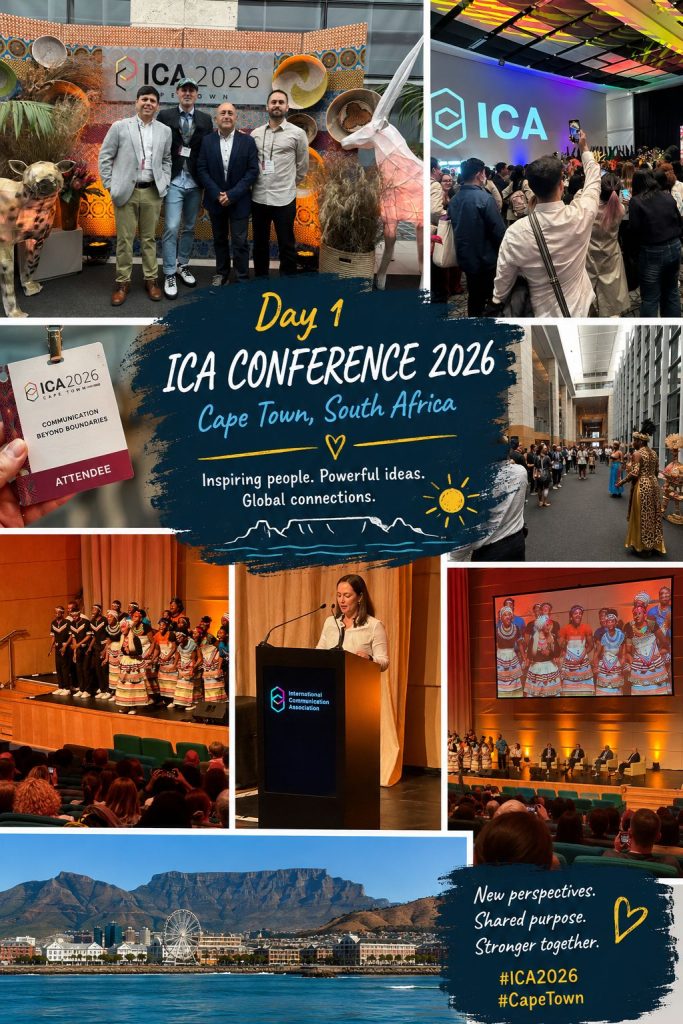
In June 2026, I participated in the 76th Annual Conference of the International Communication Association (ICA), held in Cape Town, South Africa, under the theme “Communication and Inequalities in Context.” The conference brought together communication scholars from around the world to discuss how media, journalism, platforms, institutions, and audiences are shaped by unequal social, political, cultural, and technological conditions.
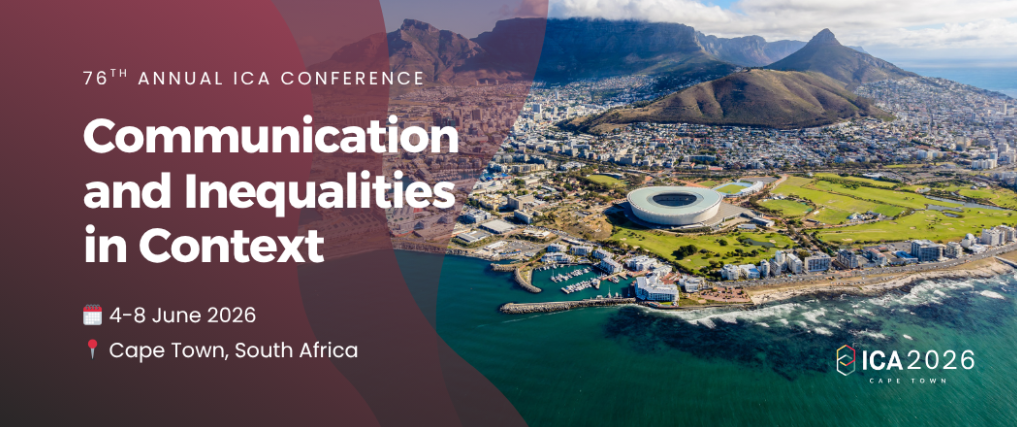
Within this framework, I participated as co-author in the paper “Distinguishing News Media Trust, Skepticism, and Cynicism Through Elaboration: Toward a Global Typology of Distrustors, Mistrustors, Automatic Trustors, and Engaged Trustors.”

The paper was presented in the Journalism Studies Division Top Papers Session, held on Friday, June 5, 2026, from 3:00 to 4:15 p.m., at Protea, CTICC2, Level 1. The session was chaired by Keren Tenenboim-Weinblatt from the Hebrew University of Jerusalem.
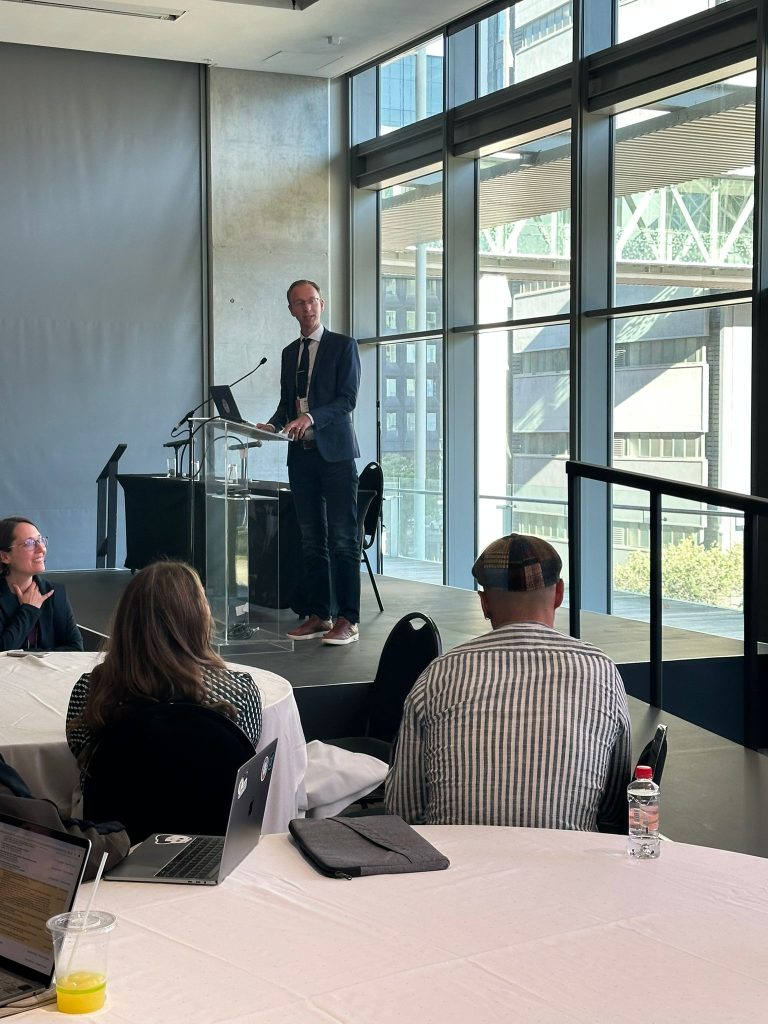
Being included in a Top Papers Session was especially meaningful, as it recognised the theoretical, methodological, and comparative strength of the study within the Journalism Studies Division. The paper was accepted as an individual submission and received very positive reviews, highlighting its contribution to media trust scholarship, its audience-centred approach, its theoretical distinction between trust, skepticism and cynicism, and its cross-national relevance.
The study addresses one of the central problems in contemporary journalism research: how to understand different forms of public orientation toward news media in a context marked by distrust, political polarisation, digital fragmentation, and growing contestation of journalistic authority.
Rather than treating trust and distrust as simple opposites, the paper proposes a more nuanced typology of audience positions. It distinguishes between different forms of relationship with news media, including distrustors, mistrustors, automatic trustors, and engaged trustors. This distinction allows us to better understand why people trust, question, reject, or critically engage with news.
A key contribution of the paper is the incorporation of elaboration into the study of news media trust. This means that the analysis does not only ask whether people trust the news, but also how they process, justify, and reflect on that trust or distrust. In this sense, skepticism and cynicism are not treated as equivalent attitudes. Skepticism may involve critical engagement, verification, and reflective distance. Cynicism, by contrast, may imply generalised rejection, suspicion, and disengagement from journalistic authority.
This conceptual distinction is especially important in the current media environment. Journalism faces increasing pressure from disinformation, platform logics, anti-media rhetoric, political attacks, and declining public confidence. However, not all forms of distrust are democratically harmful. Some forms of skepticism can support accountability and critical citizenship. The challenge is to differentiate constructive skepticism from corrosive cynicism.
The paper also makes a relevant comparative contribution. By collecting data across different countries, the study moves beyond single-country interpretations of media trust and examines how audiences relate to news in diverse media systems and political contexts. This global perspective is crucial because trust in journalism is not produced in isolation. It is shaped by national media systems, levels of press freedom, political polarisation, institutional credibility, and the broader democratic environment.
The reviewers especially valued the study’s attempt to build a globally relevant typology of news media trust and distrust. They also noted the importance of considering non-Western contexts more deeply, since these cases may reveal patterns that challenge Western-centred assumptions in media trust research. This point is particularly relevant to my own work on comparative journalism studies, Majority World media systems, Latin America, and the epistemic limits of dominant professional and theoretical categories.
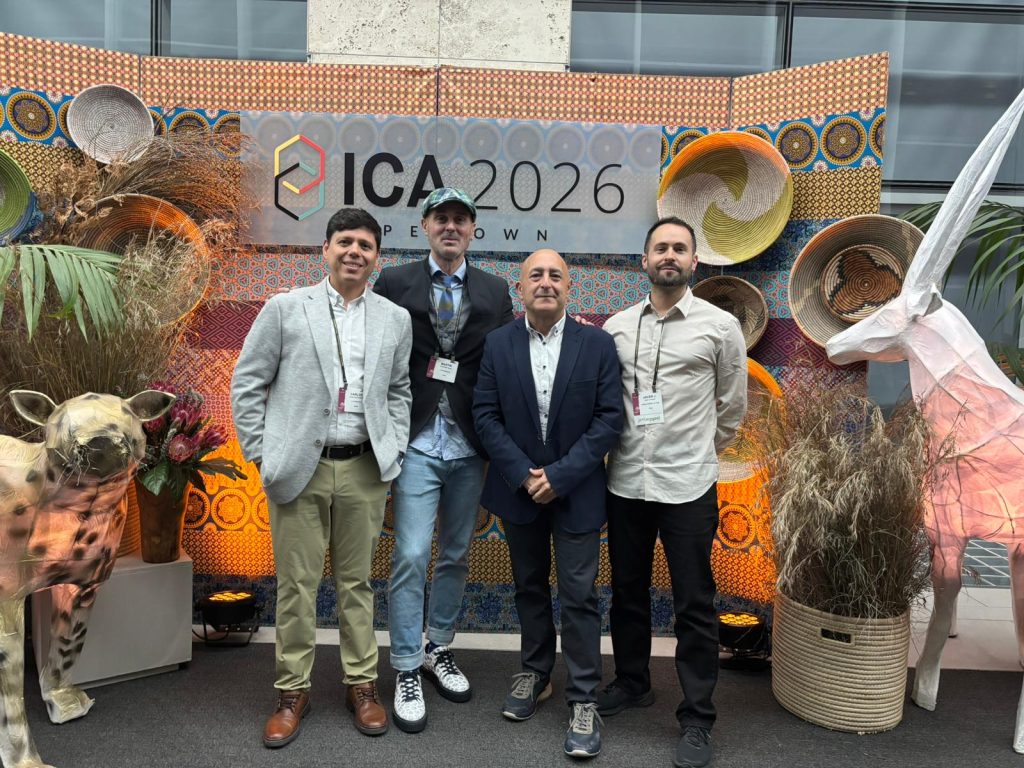
The presentation at ICA2026 connected directly with broader debates on journalism, democracy, and inequality. Trust in news media is not only a psychological or individual attitude. It is also a democratic resource. When citizens no longer trust journalism, public knowledge becomes more fragile. When skepticism turns into cynicism, the possibility of shared factual debate weakens. But when audiences engage critically with journalism, trust can become more reflective, accountable, and democratically meaningful.